SEO Company in Jaipur

Latest Blogs

Stay updated with the latest SEO insights from Jaipur’s trusted experts. Our blog shares actionable strategies, algorithm updates, and digital marketing tips to help your business grow online with data-driven results.

do nofollow links help seo
SEO

Do Nofollow Links Actually Help SEO or Are We Just Pretending They Do?

Okay, let’s get this out of the way — nofollow links are like that one friend who “doesn’t interfere” but somehow still changes the whole vibe of the group. People in the SEO world keep arguing about whether they matter. Half of Twitter (sorry, X) says, “Nofollow links are useless,” and the other half is out here swearing they’re secret ranking juice. I’ve tested both sides, and honestly… it’s complicated. Do nofollow links help seo, What even is a nofollow link? In plain English, a nofollow link is like a hyperlink with a polite disclaimer: “Hey Google, don’t count this one for ranking.” It’s done with this little tag — rel=”nofollow”.Websites use it to tell search engines not to pass PageRank or authority to another site. Google introduced it way back in 2005 because people were spamming blog comments and forums with garbage backlinks. (If you were on Blogspot in those days, you know the chaos.) But here’s the twist Google now says it might treat nofollow links as “hints” instead of strict rules. Basically, it’s like saying, “We won’t always ignore it… we’ll think about it.” So yeah, Google might still crawl and index those links. Sometimes they even use them to discover new pages. Kinda like your teacher saying they might grade your extra credit assignment — you still turn it in, right? Real-life example I once got a backlink from a Reddit thread — obviously nofollow. Didn’t expect anything from it. But the traffic spike was insane.People clicked, spent time on my site, and guess what? That engagement probably helped my SEO indirectly. So while Google didn’t pass PageRank, humans sure did. And that’s the point most people miss — SEO isn’t just algorithms; it’s attention. Why nofollow links still matter (even if Google says “nah”) 1. Referral traffic still counts A nofollow link from a busy site like Forbes, Reddit, or Quora can send thousands of visitors. And visitors lead to shares, leads, and sometimes even dofollow links later. 2. Brand signals When your brand name keeps showing up (even in nofollow links), Google starts associating it with authority. It’s a bit like seeing Coca-Cola everywhere — you start trusting it without realizing why. 3. Natural backlink profile If all your links are dofollow, that looks fake as hell.A mix of both makes your backlink profile look organic — something Google loves. 4. Social proof Getting mentioned on big sites (even with nofollow) builds trust. Users don’t care about “rel” tags; they care about credibility. The shady myth about “nofollow is useless” You’ll see some “SEO gurus” yelling on YouTube, “Nofollow links don’t matter, don’t waste time!”But here’s the irony — those same gurus are out there begging for links from Wikipedia, YouTube, and Reddit. Guess what? All nofollow. So either they’re lying… or they know those links still do something. Some lesser-known facts Wikipedia links are 100% nofollow, yet SEOs fight for them like gold. Google News sites mostly use nofollow too, but still rank like crazy. Ahrefs once analyzed millions of links and found nofollow links appear way more often in the backlink profiles of top-ranking sites than low-ranking ones. So yeah. Coincidence? Maybe. But I don’t buy it. Quick analogy Think of SEO like dating.Dofollow links are your official compliments — “You look great today.”Nofollow links are those subtle side glances and whispers that still make people notice you. Neither alone gets you the date, but together? Magic. FAQs about Nofollow Links Question Answer 1. Do nofollow links pass any SEO value? Not directly, but they can help with traffic, visibility, and brand recognition, which indirectly helps SEO. 2. Should I build nofollow links intentionally? Yeah, as long as they come from relevant, trusted sources. Balance is key. 3. Are social media links nofollow? Yup. Almost all of them. But they still help your brand and engagement metrics. 4. Can nofollow links improve rankings over time? Indirectly, yes. If they drive traffic, mentions, and engagement, Google takes notice. 5. What’s the ideal ratio of dofollow to nofollow? There’s no magic number. A natural mix (60/40, 70/30, whatever) is better than looking suspiciously perfect. Look, SEO isn’t black or white — it’s fifty shades of “it depends.”Nofollow links might not give you raw ranking juice, but they build reputation, awareness, and trust — and last time I checked, those still count for something. So yeah, next time someone says “nofollow links don’t help,” just smile and keep building them anyway. Because while they’re busy counting dofollows, you’ll be counting conversions. Thinking of Getting Nofollow Links the Right Way? Alright, so now that you actually know how nofollow links do help SEO (even if Google pretends they don’t), you might be wondering — where the heck do you get good ones?Because, let’s be real — dropping links in random blog comments or sketchy forums isn’t gonna do much except make you look spammy. That’s exactly why we built our Nofollow Link Building Plans — real sites, real traffic, and zero shady stuff. 🔗 Our Nofollow Link Building Plans Plan Silver Gold Diamond Price $49 $99 $199 No. of Nofollow Backlinks 20 50 100 Domain Authority (DA) 20+ 30+ 40+ Traffic Source Blogs & Forums Blogs, Forums & News Sites Premium News, Blogs & Social Mentions Link Type 100% Nofollow (Manual Outreach) 100% Nofollow (High Engagement) 100% Nofollow (High Traffic + Brand Mentions) Delivery Time 7 Days 10 Days 15 Days Reporting Basic Excel Report Detailed Excel Report Full Report + Site Metrics Support Email Priority Email 1-on-1 Chat Support Best For Small Businesses Growing Brands Agencies & Long-Term SEO Growth 💡 All our backlinks are built manually, contextually placed, and 100% relevant to your niche. No spammy sites, no fake traffic, no shortcuts — just clean, natural nofollow signals that support your brand and SEO growth. Ready to Balance Your Backlink Profile? If your backlink strategy is all dofollow, it’s like eating only protein and skipping carbs — sure, it works for a bit,

Do Nofollow Links Actually Help SEO or Are We Just Pretending They Do? Read Post »
Hyperlocal SEO
SEO

Why Everyone’s Suddenly Talking About Hyperlocal SEO (and Why You Probably Should Too)

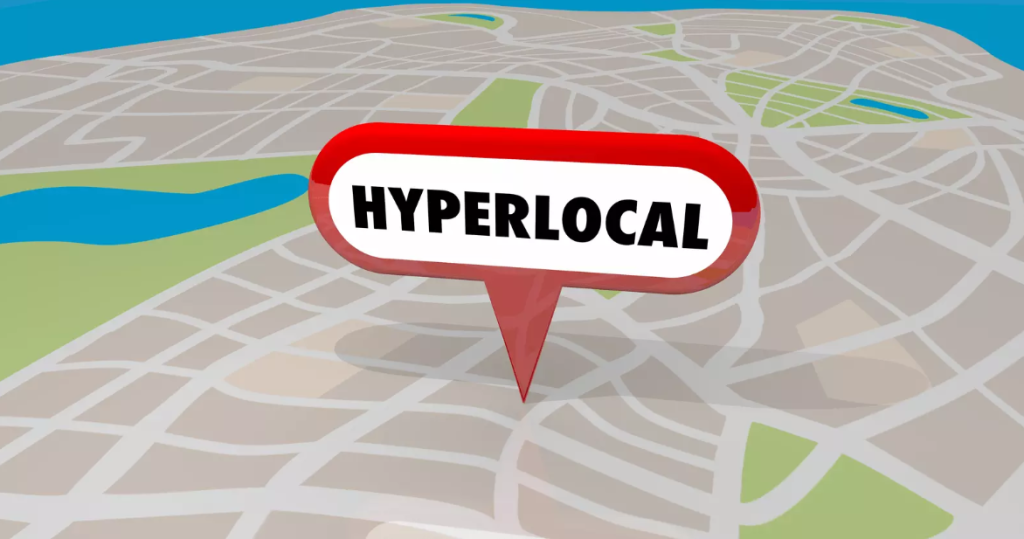
So, here’s the thing — I didn’t even know what hyperlocal SEO was until a coffee shop owner I know started bragging about how his Google Maps listing brought in more people than his cute Instagram reels. I thought he was just flexing. Turns out, he was onto something big. Hyperlocal SEO isn’t some fancy marketing trick. It’s literally just being visible to people near you, right when they need you. Like when someone searches “best pizza near me” and the one two blocks away magically appears at the top — that’s hyperlocal SEO doing its thing. What the heck is Hyperlocal SEO anyway? Think of it as SEO, but zoomed in with a magnifying glass.Instead of targeting the whole city (like “best bakery in New York”), you focus on your exact area — like “best bakery in Brooklyn Heights.” Google’s basically stalking users’ locations 24/7. If your business signals match what people nearby want, boom, you show up first. Creepy? Maybe. Useful? Definitely. Why it actually matters Because people aren’t just searching anymore — they’re searching locally. According to Google (yeah, the big boss), over 46% of all searches have local intent. That means nearly half of people typing stuff into Google are looking for something close to them. And here’s the kicker — searches that include “near me” have exploded in the past few years. Like “gym near me,” “dentist open now,” or “where to get coffee fast.” If your business isn’t optimized for those, someone else’s is. Real-life example (kinda funny) My friend owns a small vape shop. He was complaining about no foot traffic even though he was doing Instagram ads. I told him to just fix his Google Business profile and add “vape shop near Connaught Place” in his site description. A week later, he calls me like he just won the lottery — people literally walked in saying, “Hey, we found you on Google Maps.” That’s hyperlocal SEO in action. No expensive ads, no influencer collabs, just… showing up. How to actually do it (without losing your mind) Alright, so here’s where people overcomplicate things. But it’s really just a few steps done right: 1. Google My Business (GMB) is your best friend Fill it up like your dating profile — photos, hours, description, reviews, everything. Add keywords naturally (like your area or neighborhood). 2. Get reviews — real ones Google trusts humans more than you. Reviews make your profile rank higher and look alive. 3. Local citations List your business on directories like Yelp, Justdial, or niche local sites. Keep the name, address, and phone number exactly the same everywhere. (Consistency is boring but powerful.) 4. Geo-targeted content Write stuff that screams “I’m local.” Blog about your area, mention landmarks, even talk about nearby events. Google eats that up. 5. Optimize for voice search People use Siri and Alexa way more than you think. “Hey Siri, find a plumber near me” is basically a goldmine for local businesses. Fun fact A 2024 BrightLocal study said that 78% of local searches on mobile end in an offline purchase within a day. Translation: if someone finds your business near them, they’ll probably show up today. That’s faster than half of Tinder dates turning into actual meetings. What people get wrong Some businesses stuff their sites with “near me” like it’s glitter — throwing it everywhere. Doesn’t work like that. Google’s smarter now; it uses GPS, user behavior, and review consistency. You can’t trick it by saying “near me” 50 times. FAQs about Hyperlocal SEO Question Answer 1. Is hyperlocal SEO different from normal local SEO? Yeah, it’s like the micro version. Local SEO targets a city or region; hyperlocal zooms in on specific neighborhoods or even streets. 2. How long does it take to see results? Usually a few weeks to a couple of months. It depends on how competitive your area is and how active your GMB profile is. 3. Can small shops really beat big brands with this? 100%. Big brands can’t target every corner; hyperlocal SEO lets you dominate your immediate surroundings. 4. Does social media help with hyperlocal SEO? Indirectly, yes. Posts with local hashtags or geo-tags can drive traffic and brand mentions that Google notices. 5. Is it expensive? Not really. Most of it is free — listing your business, optimizing your profile, getting reviews. It just takes a bit of consistent effort. Look, the internet’s crowded. Hyperlocal SEO is like shouting across the room but straight into your neighbor’s ear — not the whole building’s. You’re not trying to be everywhere, just in the right place at the right time. And honestly, when someone’s searching “coffee near me” at 7 a.m., that’s not just a search. That’s a cry for help — make sure it’s your café that answers. Contact us for more info

Why Everyone’s Suddenly Talking About Hyperlocal SEO (and Why You Probably Should Too) Read Post »

Ecommerce SEO Best Practices
Ecommerce

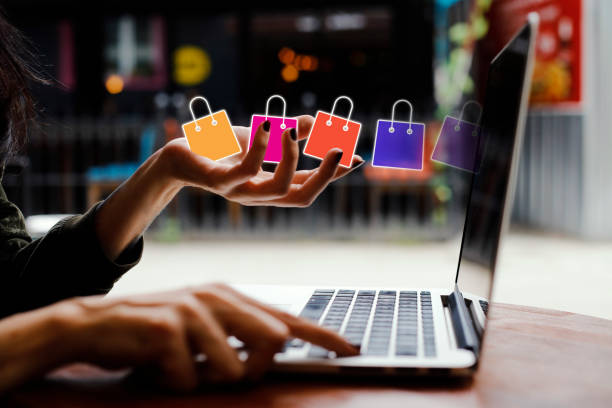
Ecommerce SEO Best Practices: A Real Talk Guide for Online Stores

Why Ecommerce SEO Isn’t Just Another Buzzword Okay, let’s be honest: SEO gets a bad rap. Half the time it feels like some magical ritual only Google gods understand. But ecommerce SEO? That’s a whole different beast. Unlike a blog where you can just slap in keywords and pray, online stores have a million moving pieces — product pages, categories, user reviews, images, mobile versions… and don’t even get me started on paginated collections. I remember once helping a small handmade candle shop. They had amazing products, but their site? Slower than my grandma’s old desktop. Adding some meta tweaks and optimizing images increased their traffic by like… 30% in a month. Crazy, right? So yeah, ecommerce SEO is worth the headache if you do it right. Core Ecommerce SEO Best Practices Let’s break it down, the way I actually think about it when tweaking sites: 1. Product Page Optimization These are your bread and butter. Think of them like tiny billboards for Google. What to focus on: Title tags – Keep them clear, include the main keyword, but don’t make it look spammy. Meta descriptions – Should entice humans, not just bots. A tiny CTA never hurts (“Buy now before it’s gone!”). Product descriptions – Avoid manufacturer copy. Personalize it. Customers and Google hate generic text. Pro tip: Include dimensions, colors, material — details matter. One store I saw boosted conversion just by adding “weight: 1.2 lbs” to a product. Who knew? 2. Site Structure & Navigation Nothing kills SEO faster than a messy store. Categories need logic. Your main navigation should make sense for humans first, Google second. Use flat structures: fewer clicks to reach products. Breadcrumbs are a lifesaver. Seriously. Google loves them; users love them more. Think of your site like a grocery store. You wouldn’t hide bread in the cleaning aisle, right? Same for your products. 3. Mobile Optimization Over 70% of ecommerce traffic is mobile. Yeah, it’s huge. If your site is clunky on phones, you’re losing sales and Google points. Responsive design is key. Buttons should be tappable, not “poke-and-miss.” Images optimized for mobile — big files kill load time. 4. Page Speed & Technical SEO Here’s a truth bomb: no one waits 10 seconds for a page to load. I mean, I’ll wait 10 seconds for a pizza delivery, maybe, but not a product page. Compress images (JPEG for photos, PNG for graphics). Minify CSS/JS. Use lazy loading for images. Fun stat: Google research shows 53% of mobile users leave a site that takes more than 3 seconds to load. Yup, 3 seconds. 5. Internal Linking & Content Strategy A lot of ecommerce sites forget that blogs and guides can help sales. Think: “How to choose the right running shoes” linking to actual products. Helps Google understand your site. Boosts time on site. Can increase conversions (people trust your advice). Honestly, I once wrote a tiny blog about “best winter jackets for windy cities” for a small shop. It didn’t even rank first month, but traffic tripled within 6 months. 6. Reviews & User-Generated Content This is underrated. Reviews = fresh content, trust signals, more keywords naturally. Encourage customers to leave reviews. Implement rich snippets for stars — Google likes shiny things. Even Instagram tags can help. Social proof is powerful. 7. Schema Markup Okay, this is one where you can either nod and ignore it or nerd out. Schema helps Google understand products, prices, ratings, stock. Product schema = rich snippets. Breadcrumb schema = better indexing. Real talk: it’s technical, but worth learning. You don’t have to be a dev wizard, most Shopify/WooCommerce plugins handle it. Ecommerce SEO Checklist Table Task Why It Matters Quick Tip Title & Meta Ranking & CTR Keep under 60 characters Product Descriptions Unique content Avoid manufacturer copy Images Faster load + alt text Compress & add alt tags Mobile-friendly Google & user experience Test on multiple devices Internal links SEO juice + UX Blog to product & category Reviews Social proof & fresh content Incentivize customers politely Schema Rich snippets Use plugins if not technical Common Mistakes in Ecommerce SEO Using the same description for all variants. 🙄 Lazy, and Google hates it. Ignoring site speed — it’s the silent killer. Forgetting meta descriptions. They aren’t just fluff. Overstuffing keywords. Google is smarter than you think. FAQs About Ecommerce SEO Q: Do I need a blog for my ecommerce store?A: Not technically, but yes. Even a tiny blog can drive traffic and link to products. Q: How often should I update product pages?A: Ideally every season or whenever info changes. Even small tweaks signal freshness to Google. Q: Can social media help SEO?A: Indirectly. Google doesn’t rank your Instagram, but social shares drive traffic and backlinks. Q: What’s better: more products or better SEO on fewer products?A: Quality > quantity. Focus on pages that can actually rank and convert. Final Thoughts (Not Too Perfect) Ecommerce SEO is a bit like cooking. You need the right ingredients (meta tags, fast site, mobile-friendly, etc.), but how you mix them matters. And sometimes, a tiny tweak — like adding product dimensions or a review snippet — can give a surprising boost. Honestly, I’ve spent hours tweaking sites, thinking “meh, it’s fine,” only to see tiny changes make a massive difference. It’s tedious, but if you stick with these best practices, your store won’t just exist — it’ll get noticed. And let’s face it, that’s what every online store wants.

Ecommerce SEO Best Practices: A Real Talk Guide for Online Stores Read Post »

Shopify vs. Etsy
Ecommerce

Shopify vs. Etsy: Which Platform Is Better for Your Small Business?

Let’s Be Real: It’s Not a Simple Choice Every small business owner hits this crossroad: should you go with Etsy’s built-in crowd or build your own empire on Shopify?It’s kind of like choosing between renting an apartment or building a house. One’s easy to move into, the other’s a long-term investment (with stress, sawdust, and maybe a few tears). Etsy — The Online Marketplace That Holds Your Hand (and Takes a Cut) Etsy’s perfect if you’re dipping your toes into selling online.You don’t need a tech degree or fancy branding. You just upload your stuff, pick some tags, and bam—you’re in front of millions of potential buyers. Pros of Etsy Built-in audience. People already come to shop. Easy to set up. You can literally start selling in a day. Great for handmade, vintage, or artsy items. Etsy Ads and SEO can help even small shops get noticed. Cons of Etsy Fees. Everywhere. Listing fees, transaction fees, offsite ad fees—you name it. Intense competition. Standing out is tough. Limited control over your branding and design. Etsy can change algorithms or rules anytime (and they do). 💬 Real talk: One seller on Reddit said Etsy “felt like selling in a crowded flea market with everyone yelling over each other.” Accurate. Shopify — The “I’m-Ready-to-Own-My-Business” Platform Shopify is like your own virtual storefront. You design it, brand it, and control it. But unlike Etsy, no one just “stumbles” upon your shop—you’ve got to bring the traffic yourself. Pros of Shopify Full control over branding, layout, and marketing. No competing sellers stealing your thunder. You own your customer data and email list. Tons of apps and tools to customize your store. Cons of Shopify You’re on your own for marketing. Monthly fees (and those app costs can sneak up on you). Slight learning curve at the start. Less “community feel” than Etsy. 🧠 Small tip: Shopify’s analytics are gold. You’ll actually see where traffic comes from, unlike Etsy’s mysterious “Visits from Etsy Search.” Shopify vs. Etsy: Quick Comparison Table Feature Etsy Shopify Audience Built-in marketplace You build your own Setup Time Super quick Takes some time Fees Per listing + transaction Monthly plan + apps Customization Limited Fully customizable Traffic Source Organic Etsy shoppers You drive traffic Brand Control Minimal Total freedom Best For Beginners, handmade, vintage sellers Established brands, scaling businesses So, Which One’s Actually Better? Honestly? It depends on where you are in your business journey. If you’re new, start with Etsy. You’ll get instant exposure and learn the basics of selling online. But if you’re serious about growing a brand—not just a side hustle—Shopify is the move. It’s harder at first, but it pays off long-term. Many sellers actually use both: they launch on Etsy to find customers, then slowly guide them to their Shopify store where they can sell directly (and skip the middleman). FAQs About Shopify vs. Etsy 1. Can I sell the same products on both Etsy and Shopify? Yep! Lots of sellers do. Just make sure you manage your inventory properly so you don’t oversell. 2. Which is cheaper to start with? Etsy. You can start with a few listings for a few bucks. Shopify has a monthly fee, but it’s better for scaling once sales pick up. 3. Is Shopify better for digital products? Definitely. Etsy’s fine for digital downloads, but Shopify gives you more control over delivery, file protection, and upsells. 4. Can I move my Etsy shop to Shopify later? Yes, and it’s pretty common. Shopify even has migration tools that make it semi-painless (keyword: semi). 5. Which one makes more money? That depends on you. Etsy can give quick wins, but Shopify gives long-term freedom. Think of Etsy as training wheels and Shopify as the real bike. Final Thoughts (Kinda) If Etsy is the cozy craft fair, Shopify is the full-blown shopping mall where you get your own store.Neither is “better” for everyone—it’s about your goals, your budget, and how much control you want. Just remember: Etsy gives you visibility but limits your freedom. Shopify gives you freedom but demands your hustle. And if you’re feeling chaotic (like most of us in small biz land), just use both.

Shopify vs. Etsy: Which Platform Is Better for Your Small Business? Read Post »

CBD SEO
CBD SEO

Why Vape Stores Need SEO

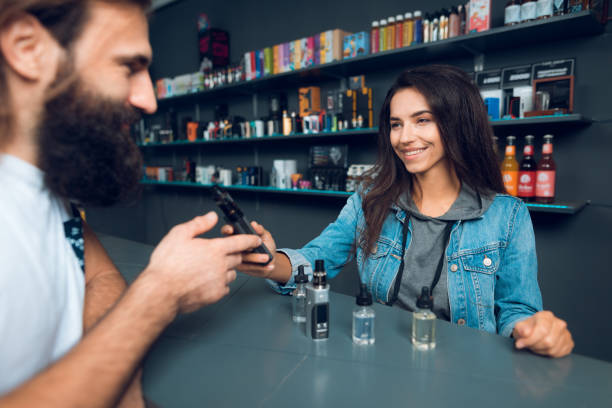
Alright, let’s be honest — if you own a vape store and you’re not doing SEO, you’re basically hiding your business behind the counter while everyone else is out there flashing neon signs on Google. I mean, how many people actually type “vape shop near me” and go to the second page? Yeah, no one. Even your most loyal customer would rather click the first thing Google throws at them. So yeah, vape stores need SEO. Like… badly. Let’s break this down without turning it into another boring marketing lecture. The vape industry isn’t just smoky—it’s crowded You’ve probably noticed, every other street has a vape shop these days. And online? Forget it. There are literally thousands of stores fighting for attention. It’s kind of like being at a party where everyone’s shouting, “We have the best vape juice!” but only the ones standing under the spotlight (a.k.a. Google’s first page) actually get noticed. And Google’s that friend who doesn’t care how cool you think your flavors are — it only cares about what users want, how relevant your content is, and how optimized your site looks. Google = The new window shopping People used to stroll around malls to find cool vape shops. Now they just search it. “Best vape shop near me” or “where to buy Elf Bars cheap.” If your website doesn’t show up, you basically don’t exist. Even if your shop looks like a neon paradise inside, no SEO = no traffic = no sales. And let’s be real, nobody wants to rely only on walk-ins or sketchy Facebook Marketplace ads anymore. Local SEO is your real MVP Most vape stores are local businesses. You’re not trying to compete with Amazon (unless you enjoy pain). You just want to show up when someone nearby searches “vape juice in Jaipur” or “disposable vapes in Toronto.” Local SEO helps you pop up on Google Maps, in those cute little “Top 3 near you” boxes. And those listings? They’re gold. I’ve seen small vape shops double their foot traffic just because they optimized their Google Business Profile and got a few reviews from their regulars. Like, imagine you sell this killer blueberry ice flavor that everyone in your city raves about, but your shop doesn’t show up on Maps. That’s basically free money floating around and you’re just… letting it go. Vape content is tricky (but that’s why SEO matters more) You can’t run vape ads easily on Google or Facebook. It’s all restricted. So SEO becomes your only long-term game plan. It’s the one space where you can actually compete fairly — with good content, smart keywords, and backlinks. Think of SEO as the sneaky backdoor into visibility when ads slam the front door shut. What’s working right now Honestly, vape blogs and comparison content are killing it. People search things like: “Is vaping better than smoking?” “Best flavors for beginners” “Why is my vape leaking?” If you’re answering those questions (and doing it naturally), you’ll not only get traffic but probably build a community of readers who’ll end up buying from you. Reddit’s full of vape nerds, and a lot of them find new brands just through blog links or Google searches. Quick example One of my friends started a small vape site. At first, he only had a few juices and some basic product descriptions like “Nice flavor, smooth hit.” Then he got serious about SEO — wrote actual reviews, optimized titles, added FAQs, and made his website mobile-friendly. In six months, his traffic went from “mom and two cousins” to 20k+ monthly visitors. No ads. Just SEO. Wrap it up (but not too cleanly) SEO for vape stores isn’t optional anymore — it’s literally the oxygen of your online business. You don’t need to become a marketing guru overnight, but at least start somewhere. Fix your Google profile, get a few good reviews, and for the love of nicotine salts, write some actual content that isn’t just product specs. Because at the end of the day, Google doesn’t buy your vapes — people do. SEO just helps them find you first.

Why Vape Stores Need SEO Read Post »

seo, search engine optimization, search engine, optimization, internet, search, web, marketing, business, www, website, technology, site, optimize, content, keywords, strategy, ranking, traffic, rank, blue business, blue technology, blue marketing, blue website, blue internet, blue company, blue web, seo, seo, seo, seo, seo, keywords
SEO Jaipur

Why Choosing the Right SEO Company in Jaipur Matters for Your Business

In today’s fast-paced digital landscape, your online presence is the heartbeat of your business success. Whether you run a local retail store, a growing service-based business, or a nationwide eCommerce brand, appearing on Google’s first page is no longer a luxury — it’s a necessity. Partnering with the right SEO company ensures your brand gains the visibility and credibility it deserves. Customers are far more likely to choose a business that appears prominently in search results, backed by strong reviews, optimized content, and consistent online activity. The Impact of an SEO Company in Jaipur on Business Growth Partnering with the right SEO Company in Jaipur can completely redefine how your business performs online. A skilled SEO agency does more than tweak keywords or write blog posts — it builds a long-term, data-driven strategy designed to elevate your rankings, attract qualified traffic, and convert that traffic into paying customers. Comprehensive SEO Strategies That Deliver Results From local SEO targeting and keyword mapping to conversion-focused content and analytics tracking, every step matters when growing your digital footprint. At SEO Company Jaipur, we believe in a holistic approach to optimization. Our experts focus on keyword research, on-page SEO, content optimization, technical SEO, and strategic link building to ensure your brand stands out in competitive search results. We tailor every campaign to your niche and audience, focusing on measurable outcomes such as higher engagement, increased leads, and long-term return on investment. We don’t just chase rankings — we deliver real business growth. The Power of Local SEO for Jaipur Businesses Local businesses in Jaipur especially benefit from Local SEO optimization. By improving your visibility in Google Maps, local pack listings, and “near me” searches, you connect directly with customers looking for your products or services right now. This targeted approach builds trust, increases foot traffic, and drives inquiries that convert faster than general web traffic. Build Long-Term Success with Jaipur’s Trusted SEO Experts If you’re ready to take your business to the next level, it’s time to collaborate with Jaipur’s most trusted SEO professionals. Together, we’ll create a custom strategy that strengthens your online authority, boosts your organic reach, and builds your success story — one keyword at a time.

Why Choosing the Right SEO Company in Jaipur Matters for Your Business Read Post »

Digital Marketing
SEO

Why Digital Marketing Matters in 2025 | Bloom Agency

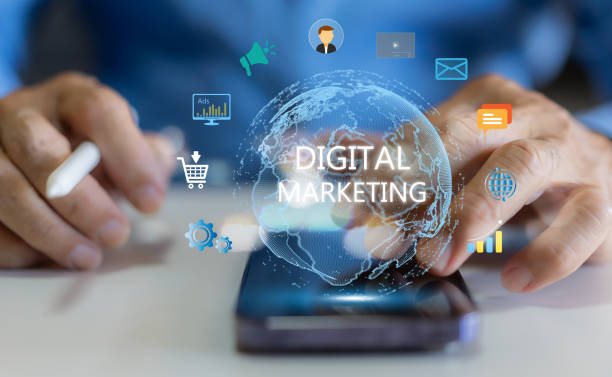
In today’s fast-changing digital world, businesses are competing not just for attention, but for relevance. With shifting consumer behavior, AI-driven search, social media algorithm changes, and rising competition, brands can no longer depend on traditional marketing to grow. This is where digital marketing agency like Bloom step in — offering data-backed strategies, creative storytelling, and performance-focused execution that help businesses stand out and scale. Whether you’re a startup aiming to build visibility or an established company looking to expand your digital footprint, the right marketing partner can transform your results. Here’s why digital marketing matters more than ever in 2025, and how Bloom helps brands navigate this evolving landscape. The Digital Shift: Why Brands Can’t Ignore Online Presence Consumer behavior has moved almost entirely online. People search for products on Google, compare services on social media, read reviews on marketplaces, and expect personalized brand experiences. If a business isn’t present, visible, and active online, it risks losing relevance to competitors who are. Digital marketing bridges this gap. It ensures the brand is visible in all the right places — search engines, social platforms, content ecosystems, and ads targeted to the right audience. In 2025, having a strong digital-first strategy isn’t optional; it’s a necessity for survival and growth. Performance Marketing: Driving Real, Measurable Business Growth One of the biggest challenges businesses face today is wasting money on advertising without getting results. Bloom solves this with performance marketing, which focuses on measurable outcomes rather than vanity metrics. Every rupee spent is tracked, optimized, and evaluated based on: Cost per lead (CPL) Sales conversions Return on ad spend (ROAS) Customer acquisition cost (CAC)  With platforms like Google Ads, Meta Ads, and LinkedIn Advertising becoming more advanced, Bloom helps brands use hyper-targeting, smart bidding, and audience segmentation to get maximum ROI from their ad budgets. SEO in 2025: Adapting to AI-First Search Search engines have changed significantly. With Google introducing AI Overviews, context-based ranking, and more sophisticated algorithms, SEO has become both more challenging and more important. Bloom uses a modern SEO approach that blends technical optimization, authority building, and high-quality content creation. This includes: AI-focused keyword research E-A-T & brand authority building Site performance & technical SEO Long-form content that answers user intent Local SEO strategies for location-based businesses  The result? Higher rankings, increased organic traffic, and better brand visibility — without depending entirely on paid ads. Social Media That Builds Communities, Not Just Followers Social media has evolved from simple posting to community-driven engagement. Algorithms reward brands that create meaningful conversations, provide value, and show authenticity. Bloom’s social media framework focuses on: Content that resonates with the target audience Storytelling that builds brand identity Video-first formats like reels and shorts Real-time engagement and trend adaptation Monthly analytics and performance breakdowns  This helps brands not only grow followers but convert them into loyal customers. Creative Strategy: Where Design Meets Business Goals In a world flooded with content, creative design is what makes a brand instantly recognizable. Bloom combines creativity with strategic thinking to build brand identities that stand out across platforms. Their creative services include: Branding & visual identity Digital ads creative Motion graphics Website UI/UX design Content design for social platforms  When creativity aligns with performance, the result is powerful storytelling that strengthens brand recall. A Full-Funnel Digital Growth Partner What sets Bloom apart is its ability to handle the entire digital journey — from awareness to conversion. Their full-funnel marketing approach includes: Top-of-funnel awareness campaigns Mid-funnel engagement content Bottom-funnel conversion optimization Retargeting strategies Marketing automation & CRM workflows  This ensures that every stage of the customer journey is optimized for maximum impact. Conclusion: Choose a Partner That Understands Digital Growth As the digital marketing agency landscape continues to evolve, brands need more than ad campaigns or random content. They need a partner that understands analytics, behavior patterns, creativity, and performance — all while staying updated with platform changes. Bloom is that partner. With a focus on measurable results, data-driven decision-making, and innovative digital strategies, Bloom helps businesses grow smarter, faster, and more sustainably in 2025 and beyond.

Why Digital Marketing Matters in 2025 | Bloom Agency Read Post »

Scroll to Top