

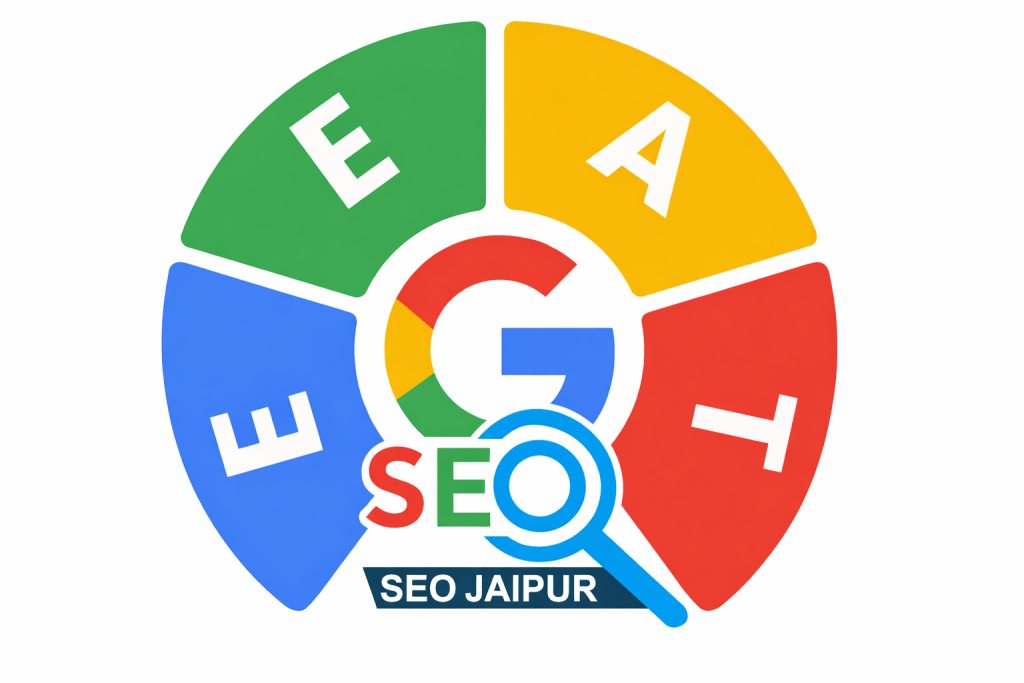
If your website isn’t ranking despite consistent publishing, the culprit isn’t always your keyword density—it’s often a lack of E-E-A-T.
In the modern SEO landscape, Google doesn’t just rank content; it ranks sources. An E-E-A-T audit is the process of evaluating whether your site demonstrates the necessary experience and authority to be trusted by users and search engines alike.
What is E-E-A-T?
E-E-A-T is a framework used by Google’s Quality Raters to assess the expertise of content creators. It stands for:
Experience: Does the author have first-hand, “boots-on-the-ground” experience with the topic?
Expertise: Does the creator have the formal credentials, qualifications, or professional depth required?
Authoritativeness: Is the website or author a go-to primary source within their niche?
Trustworthiness: Is the site secure, transparent about its ownership, and factually accurate? (This is the most critical pillar).
Why an E-E-A-T Audit is Essential for YMYL Sites
While E-E-A-T matters for everyone, it is mandatory for YMYL (Your Money or Your Life) niches. These include:
Medical & Health: Advice, symptoms, or pharmaceutical info.
Finance & Legal: Tax advice, investment tips, or legal rights.
E-commerce: Any site handling credit card transactions.
News & Civic Info: Official government information or high-stakes current events.
Pro Tip: If your site falls under YMYL, Google applies a much higher “standard of proof” for your E-E-A-T signals.
How to Perform a Comprehensive E-E-A-T Audit (Step-by-Step)
Step 1: Author Entity & Biography Audit
Google wants to connect content to a real person.
Check: Do articles have a clear byline? Is there a dedicated author page?
Optimize: Add professional bios that highlight years of experience, degrees, or certifications.
Social Proof: Link to established LinkedIn or Twitter (X) profiles to help Google’s “Knowledge Graph” connect the dots.
Step 2: Content Depth & Fact-Checking
Surface-level content no longer cuts it.
Check: Is the content original, or is it just “regurgitated” AI text?
Optimize: Use the “Information Gain” strategy—add unique data, personal anecdotes, or case studies that can’t be found elsewhere.
Citations: Ensure every claim is backed by a link to a high-authority (.gov, .edu, or industry-leading) source.
Step 3: Technical Trust Signals
Trustworthiness is often technical. During your E-E-A-T audit, verify:
Security: Is HTTPS active and the SSL certificate valid?
Transparency: Are your “About Us,” “Contact Us,” “Privacy Policy,” and “Terms of Service” pages easily accessible?
Business Legitimacy: Do you list a physical address and a verifiable phone number?
Step 4: Off-Page Authoritativeness (The Digital Footprint)
Authority is what others say about you.
Backlink Profile: Are you earning links from relevant, high-DA sites?
Brand Mentions: Is your brand being discussed in industry forums, news outlets, or podcasts?
Review Management: Audit your presence on Trustpilot, G2, or Google Business Profile. Unaddressed negative reviews hurt your “Trust” score.
The Ultimate E-E-A-T Audit Checklist
| Audit Category | Action Item | Priority |
| Authorship | Detailed Bio + Professional Photo | High |
| Transparency | Clear “About Us” and “Contact” pages | High |
| Technical | HTTPS & Fast Loading Speeds | Medium |
| Accuracy | Fact-check all YMYL claims | High |
| Structure | Implement Author Schema & Org Schema | Medium |
| Reputation | Audit external reviews & brand mentions | High |
Common E-E-A-T Mistakes to Avoid
Anonymous Content: Publishing articles without a named, qualified author.
Thin Content: Creating 400-word “SEO filler” posts that provide no real value.
Outdated Information: Leaving 3-year-old statistics in your “Ultimate Guides.”
Aggressive Ads: Overwhelming the user experience with pop-ups, which diminishes trust.
Tools to Streamline Your Audit
Google Search Console: To monitor for manual actions or security issues.
Ahrefs/SEMrush: To analyze your backlink authority and “Share of Voice.”
Screaming Frog: To find missing metadata, broken links, or non-secure pages.
Schema.org Generator: To create structured data that tells Google exactly who you are.
Final Thoughts
An E-E-A-T audit isn’t a “one-and-done” task—it’s a commitment to quality. As search algorithms become more sophisticated, they will continue to favor brands that prioritize the user’s safety and provide verifiable expertise.